
Myth 15
Mined diamonds have a higher price because of any reason other than cartel pricing.
Truth
The disbanding of the abusive diamond monopoly held by De Beers -- via criminal indictment by the United States and the European Union and a final legal settlement in 2012 -- is one of the biggest showcases in history of how regulators have intervened in abuses of monopoly power.
Part of the settlement was ensuring that De Beers would no longer distribute the approximately one third of the world supply of rough diamonds originating from Russia (Alrosa), constituting approximately one third of all supply. With De Beers itself owning approximately one third of the supply, the idea was that this would address the critical part of an abuse of monopoly: overcharging consumers.
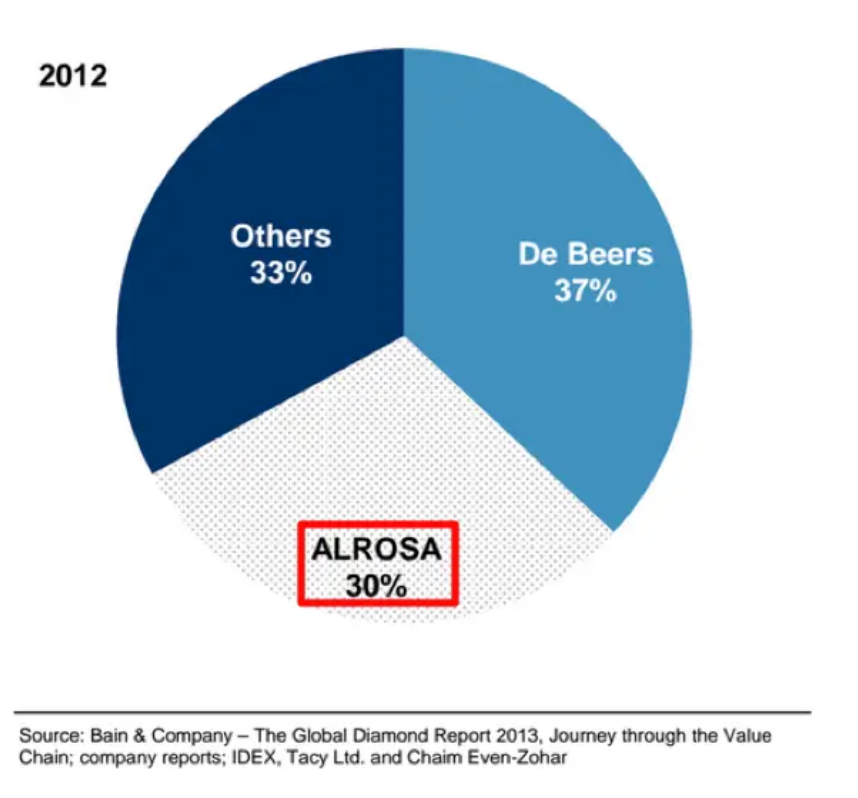
The problem with that logic is that it assumed that Putin’s supply and De Beers’ would actually compete after De Beers no longer distributes them. They do not, it turns out, certainly not on price. The two have figured out how to couple prices just as much as if only one company sold all the supply.
Prices between created vs mined diamonds are in fact diverging -- and the delta between the mined and created diamond prices is exactly the cartel premium.
De Beers Centenary AG was criminally indicted in the U.S. for industrial-diamond price fixing. It is mistaken to assume that the De Beers-backed Natural Diamond Council, now “The Diamond Collective,” has cleaned up its act and is today honest and truthful in its marketing.